Early Inhabitants and Origins
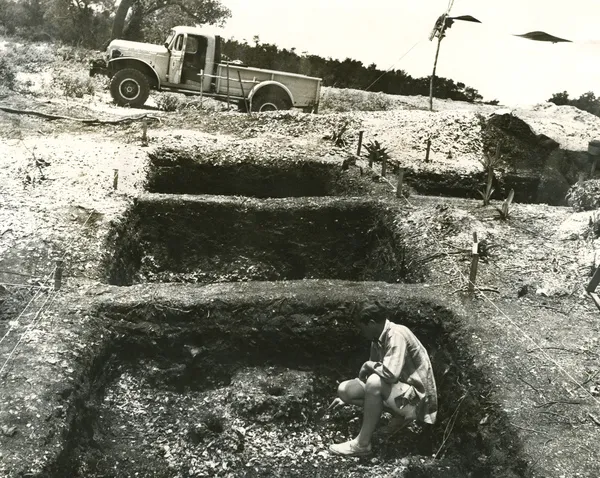
Long before Spanish explorers arrived, the area now known as Boca Raton was home to Native American peoples, including the Glades culture and later the Tequesta tribe. These early inhabitants thrived along Florida’s southeastern coast, relying on fishing, hunting, and gathering. Archaeological evidence shows they lived in this region for thousands of years before European contact.
The name “Boca Raton” first appeared on 18th-century maps as “Boca de Ratones,” a term used by Spanish sailors. Contrary to modern translations, which suggest “Rat’s Mouth,” the term likely referred to a rocky or jagged inlet on the coast, possibly describing a hazardous area for ships. Over time, the name shifted geographically to its current location and was anglicized to “Boca Raton.”
19th and Early 20th Century: Settlement and Growth
By the late 1800s, settlers began arriving, drawn by the fertile land and temperate climate. The area remained rural and agricultural for many years, with pineapple farming and other crops playing a major economic role.
The biggest turning point came in the 1920s during Florida’s land boom. Visionary architect Addison Mizner played a central role in shaping Boca Raton’s early identity. Mizner envisioned a luxury resort city for America’s wealthy elite, complete with Mediterranean Revival architecture that would define the city’s aesthetic. Though his plans were only partially realized—most famously through the Boca Raton Resort & Club—his influence on the city’s design and prestige has endured for decades.
World War II and Military Influence
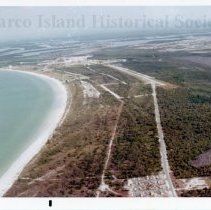
During World War II, Boca Raton became home to a major U.S. Army Air Corps training base. The Boca Raton Army Air Field played a crucial role in radar training and military aviation. This military presence brought an influx of personnel and investment to the area, laying the groundwork for postwar population growth.
After the war, the military base was closed, and much of the land was later donated or repurposed. One notable transformation was the establishment of Florida Atlantic University (FAU) in 1961, located on the site of the former airbase. FAU became the first public university in southeast Florida and contributed greatly to the city’s academic and economic development.
Postwar Boom and Modern Development
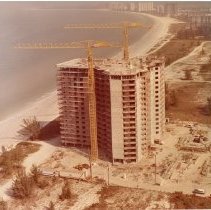
The 1950s and 1960s marked a significant period of expansion for Boca Raton. Developers transformed the once quiet town into a thriving suburban city. The city’s population swelled, new neighborhoods sprang up, and businesses took root.
The arrival of technology companies in the 1970s and 1980s, most notably IBM, further shaped Boca Raton’s identity. In 1981, IBM introduced the first personal computer (the IBM 5150), which was developed in Boca Raton—an event that had a lasting impact on the tech industry and secured the city’s place in computing history.
Over the decades, Boca Raton continued to grow as a hub for education, technology, business, and upscale living. It developed a reputation as a city that balanced luxury and leisure with innovation and opportunity.
Boca Raton Today
Today, Boca Raton is known for its beautiful beaches, thriving economy, cultural institutions, and well-preserved architectural heritage. It remains a highly desirable destination for residents and visitors alike, offering world-class shopping, fine dining, high-end real estate, and a strong sense of community.
With ongoing development, robust infrastructure, and a commitment to green space and conservation, Boca Raton honors its past while embracing the future. From Native American roots to a booming high-tech corridor, the city’s history is one of transformation, resilience, and ambition.